
Have you ever watched children playing and wondered when exactly we stopped doing that ourselves?
A child can turn almost anything into a game.
A cardboard box becomes a car.
A stick becomes a sword.
A blanket becomes a tent.
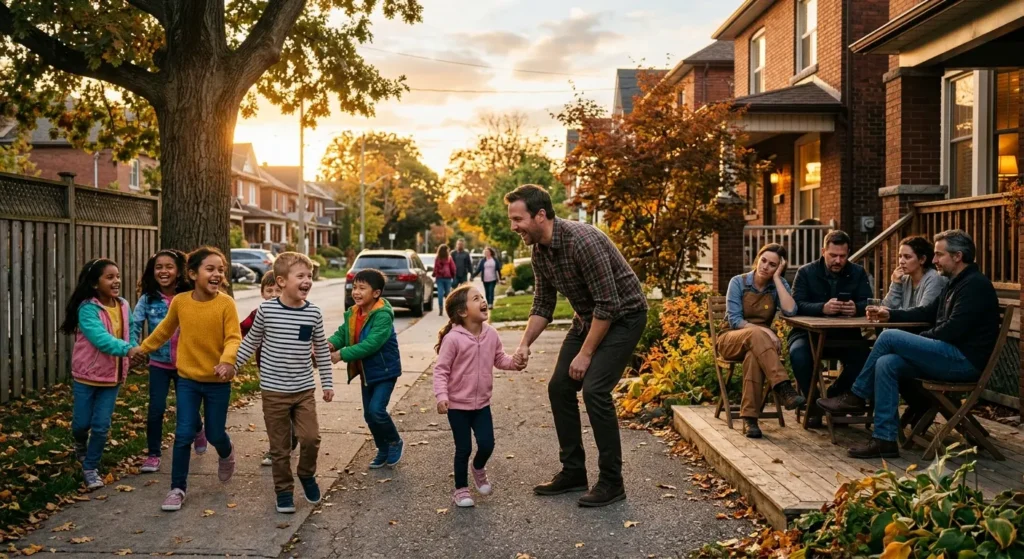
A few friends running around a park can create an entire world without needing an expensive toy, a smartphone or a carefully planned activity.
Then we grow up.
Suddenly, playing feels childish.
We become busy.
We have jobs, responsibilities, bills, deadlines and endless things to worry about.
Even when we have free time, we often spend it scrolling through our phones, watching something or catching up on things we think we should be doing.
Somewhere along the way, many adults stop asking:
“What would be fun?”
Instead, we start asking:
“What needs to be done?”
So, why do adults stop playing?
And perhaps more importantly, do adults actually need play?
The answer is more interesting than you might expect.
What Does “Play” Actually Mean for an Adult?
When people hear the word play, they often imagine children running around a playground.
That’s only one form of play.
For adults, play can look very different.
Playing a sport.
Drawing.
Dancing in your room.
Playing board games.
Building something.
Cooking for fun.
Singing.
Photography.
Gardening.
Playing an instrument.
Telling jokes.
Going on an adventure with friends.
Even doing something completely silly for no practical reason can be a form of play.
The important part isn’t the activity itself.
It’s the mindset behind it.
When you’re playing, you’re usually not focused entirely on achievement.
You’re exploring.
Experimenting.
Enjoying yourself.
Being curious.
And sometimes, you’re simply doing something because it feels good.
That’s very different from the way many adults approach their free time.
When Did Playing Become “Childish”?
Most children don’t suddenly wake up one morning and decide they’re too old to play.
Instead, the change usually happens gradually.
At first, playing is normal.
Then school becomes more serious.
Academic performance becomes important.
People start asking what you want to become.
Later, work and money enter the conversation.
You are expected to be responsible.
You are expected to behave your age.
Eventually, the things you once enjoyed can start feeling embarrassing.
Maybe you still enjoy video games but don’t tell people.
Maybe you want to dance but worry about looking silly.
Maybe you want to learn drawing but think you’re too old to start.
Maybe you would love to play a simple outdoor game with friends, but you’re afraid someone will think it’s childish.
This is where something interesting happens.
We don’t necessarily stop enjoying play.
We start judging ourselves for enjoying it.
Children Don’t Need a Reason to Have Fun
Think about how children play.
They don’t usually calculate the benefits.
A child doesn’t say:
“I should spend thirty minutes playing because this will improve my cognitive development.”
They just play.
They don’t need a five-year plan.
They don’t need to monetize the hobby.
They don’t need to post the activity online.
They don’t need anyone to approve it.
This freedom is one of the beautiful things about childhood.
And it’s something adults often lose.
We become so focused on usefulness that we begin treating everything that doesn’t produce a measurable result as a waste of time.
But that’s a strange way to live.
Not everything valuable produces a number.
A conversation with a friend may not increase your income.
A walk may not improve your résumé.
Playing a board game may not advance your career.
Laughing for an hour may not help you complete your to-do list.
But these things can still make life feel better.
Play Is Not the Opposite of Being Responsible
Some adults avoid play because they think it means being irresponsible.
But play doesn’t mean ignoring your responsibilities.
You can pay your bills and still play.
You can have a serious career and still be silly sometimes.
You can take your responsibilities seriously without taking yourself seriously every second of the day.
In fact, having activities that are completely separate from work can give your mind a valuable break from constant performance.
The American Academy of Pediatrics has highlighted the importance of play for development and well-being, while research into adult play has also explored its connections with creativity, relationships and psychological well-being. American Academy of Pediatrics — The Power of Play
Play isn’t simply something that belongs to childhood.
The way we play changes.
The need for enjoyable, engaging experiences doesn’t necessarily disappear.
Why Do Adults Stop Playing?
There isn’t one reason.
Usually, several things happen at once.
Responsibilities Increase
Children generally have fewer adult responsibilities.
Adults have jobs, bills, relationships, household tasks and other commitments.
Free time becomes limited.
When you finally get an hour to yourself, you may feel like you should use it to catch up on something productive.
So instead of playing, you clean.
Instead of drawing, you answer emails.
Instead of going outside, you finish another task.
Slowly, play gets pushed further down the list.
We Become More Concerned About Other People’s Opinions
Children can be surprisingly unconcerned about looking silly.
Adults are different.
We think about how we appear.
“What will people think?”
“Am I too old for this?”
“What if I’m bad at it?”
“What if someone laughs?”
These thoughts can prevent us from trying things we would actually enjoy.
Imagine an adult who wants to learn roller skating but feels embarrassed because they’ve never done it.
A child might simply fall down, laugh and try again.
An adult might think about falling before even putting on the skates.
Fear of judgment can become stronger than curiosity.
Everything Becomes About Productivity
Modern life often encourages us to measure ourselves by output.
How much did you accomplish?
How much money did you make?
How many tasks did you complete?
How productive were you today?
This mindset can be useful in certain situations.
But if it enters every part of life, even rest starts feeling like something we have to justify.
You don’t need to turn every hobby into a side business.
You don’t need to become excellent at everything.
You don’t need to monetize your creativity.
Sometimes doing something badly can be more fun than doing everything perfectly.
Play Can Help Us Become Curious Again
Curiosity is one of the most natural parts of childhood.
Children constantly ask questions.
Why?
How?
What happens if…?
What is this?
Can I try?
Adults still have curiosity, but we often suppress it.
We become afraid of being beginners.
That’s unfortunate because being a beginner can be exciting.
You don’t need to know how to draw before picking up a pencil.
You don’t need to know how to cook perfectly before trying a new recipe.
You don’t need to know anything about photography before taking your first photograph.
You don’t have to be good at something for it to be worth doing.
Play gives you permission to experiment without demanding perfection.
Remember the Games You Used to Play?
Sometimes the easiest way to reconnect with play is to remember what you already enjoyed.
Maybe you played cricket in the street.
Maybe you played hide-and-seek.
Maybe you collected something.
Maybe you built things.
Maybe you spent hours playing board games.
Maybe you invented games with your friends that probably made absolutely no sense to adults.
Your childhood games may seem simple now, but they were more than entertainment.
They were ways of socializing, experimenting, competing, imagining and creating memories.
If that brings back a few memories, you may enjoy reading Old Games We Played as Kids.
It is interesting to think about how little we needed to have fun.
Sometimes all we needed was a few friends and enough space to run around.
What Happened to Outdoor Play?
There is another major change worth thinking about.
Children today have access to technology that previous generations couldn’t imagine.
Phones.
Tablets.
Streaming.
Video games.
Social media.
Online entertainment.
Technology isn’t automatically bad.
It can teach, connect and entertain.
But it has also changed how people spend their free time.
Your childhood may have looked very different from the childhood of someone growing up today.
We explored this difference in How Childhood Has Changed Over the Years.
We also looked specifically at the decline of outdoor play in Why Kids Don’t Play Outside Anymore.
The interesting question isn’t whether the past was always better.
It wasn’t.
The better question is:
What did we gain, and what might we have lost?
Play Can Strengthen Relationships
Think about some of your best memories with friends.
Were you always sitting down and having serious conversations?
Probably not.
A lot of friendship happens through shared experiences.
Playing sports.
Playing games.
Going somewhere random.
Making jokes.
Trying something ridiculous.
Competing over something completely unimportant.
Laughing at something nobody else would understand.
These moments create connection.
You don’t always need a deep conversation to strengthen a friendship.
Sometimes you simply need to spend enjoyable time together.
That’s one reason childhood friendships can feel so special.
You weren’t necessarily friends because your careers matched or because you had similar goals.
You were friends because you enjoyed being around each other.
If you’re interested in why those early friendships can remain so powerful, read Why Childhood Friendships Are So Special.
Play Can Make Creativity Easier
Have you ever noticed that your best ideas sometimes appear when you’re not trying so hard to have them?
Maybe while walking.
Driving.
Cooking.
Showering.
Talking with someone.
Doing something relaxing.
There is a reason for this.
When we aren’t constantly focused on producing the “correct” answer, our minds can make unexpected connections.
Play encourages experimentation.
You can try one thing.
Change it.
Try something else.
Make a mistake.
Laugh.
Start again.
That kind of environment can be useful for creativity.
You don’t need to become an artist to benefit from it.
Creative thinking is useful in everyday life too.
Finding a solution to a problem.
Coming up with a business idea.
Understanding another person’s perspective.
Finding a different way to approach a difficult situation.
Sometimes stepping away from serious thinking allows the mind to approach a problem differently.
Why Are Adults So Afraid of Looking Silly?
This might be one of the biggest barriers.
Adults become extremely aware of how they look.
Imagine dancing alone in your bedroom.
Most people can do it.
Now imagine dancing in front of ten strangers.
Suddenly, it feels completely different.
The activity didn’t change.
Your awareness of being judged changed.
Children are often much less concerned about this.
They can dance badly without worrying about whether their technique is impressive.
Adults sometimes forget that nobody is watching as closely as we imagine.
Most people are busy thinking about themselves.
That means you might have far more freedom than you think.
Play Doesn’t Have to Be Expensive
One misconception about adult play is that it requires money.
It doesn’t.
Go for a walk somewhere new.
Play cards.
Draw.
Write.
Cook.
Take photographs.
Play badminton.
Kick a football around.
Build something.
Garden.
Dance.
Sing.
Tell jokes.
Make something ridiculous.
Visit a local park.
Try a new recipe with a friend.
The activity itself isn’t the important part.
The feeling is.
You are doing something because you want to experience it, not because someone is grading you.
How to Bring Play Back Into Your Adult Life
You don’t have to completely change your routine.
Start with something small.
1. Think About What You Enjoyed as a Child
What did you do when nobody told you what to do?
That question can reveal a lot.
Maybe you loved drawing.
Maybe you loved running around outside.
Maybe you liked building things.
Maybe you enjoyed stories.
Maybe you loved collecting things.
Try one of those activities again.
Don’t worry about whether you’re still good at it.
2. Do Something Badly on Purpose
This sounds strange, but it can be freeing.
Draw something terrible.
Sing badly.
Try a sport you’ve never played.
Cook a recipe you’ve never made.
The goal isn’t to become good.
The goal is to remove the pressure to perform.
3. Schedule Fun Without Turning It Into a Chore
Choose one evening or afternoon each week for something enjoyable.
But don’t make a complicated plan.
Give yourself options.
Maybe you’ll play a game.
Maybe you’ll go outside.
Maybe you’ll meet a friend.
Maybe you’ll simply explore somewhere.
The point is to create space for something that isn’t work.
4. Invite Someone Else
Play becomes easier when other people are involved.
Ask a friend to play a game.
Go cycling.
Try bowling.
Play football.
Visit an arcade.
Cook together.
You don’t need a major event.
Shared fun can create surprisingly strong memories.
5. Stop Asking Whether You’re Too Old
This may be the most important one.
If you enjoy something harmless, why should your age automatically disqualify you from doing it?
Being an adult doesn’t mean you have to become serious all the time.
You are allowed to enjoy things.
You are allowed to be silly.
You are allowed to learn something badly.
You are allowed to start a hobby at thirty, forty, fifty or beyond.
There is no expiration date on curiosity.
What Childhood Can Teach Adults About Fun
Maybe the biggest lesson isn’t about games.
It’s about the way children approach the world.
They ask questions.
They experiment.
They get excited about small things.
They become completely absorbed in an activity.
They can turn ordinary objects into something imaginative.
They don’t always need a reason.
Adults can learn from that.
You don’t need to abandon everything you’ve learned through growing up.
Keep your maturity.
Keep your experience.
Keep your responsibilities.
But maybe leave a little room for the person who used to get excited about simple things.
That part of you probably isn’t gone.
It may simply be buried under responsibilities.
You Don’t Have to Go Back to Childhood
This is where the idea of BeChildAgain becomes important.
Going back isn’t really possible.
You can’t become ten years old again.
You can’t recreate every friendship.
You can’t return to every neighborhood.
You can’t make every childhood afternoon happen again.
But you can bring some of the feeling forward.
You can be curious again.
You can play.
You can laugh.
You can explore.
You can make new memories.
And perhaps that’s better than trying to recreate the past.
Because your childhood memories already belong to you.
What you still have control over is what happens next.
Final Thoughts
So, why do adults stop playing?
Usually, it isn’t because they suddenly stop enjoying fun.
Life becomes more complicated.
Responsibilities increase.
Free time decreases.
We become more concerned about judgment.
We start measuring everything by productivity.
Eventually, play begins to feel unnecessary.
But perhaps play was never unnecessary.
Perhaps we simply misunderstood what it was for.
Play doesn’t have to make you smarter.
It doesn’t have to make you richer.
It doesn’t have to improve your career.
It doesn’t have to become a business.
Sometimes play is valuable because you enjoyed the moment while it was happening.
And that matters.
Because life can become very serious very quickly.
There will always be another bill.
Another email, deadline, responsibility .
You don’t need to run away from those things.
Just don’t let them take every enjoyable part of you with them.
Go outside.
Play a game.
Make something.
Call a friend.
Try something you’ve never tried.
Laugh at yourself.
Be curious.
And if you haven’t played in years, maybe start with something very simple.
You might discover that the playful part of you wasn’t actually gone.
It was just waiting for permission to come back.
Frequently Asked Questions
Why do adults stop playing?
Adults often play less because responsibilities increase, free time becomes limited and social expectations make some activities feel childish. Many adults also become more focused on productivity and worry about being judged.
Is play important for adults?
Play can provide enjoyment, relaxation, social connection and opportunities for creativity. Adult play can take many forms, including sports, hobbies, games, creative activities and playful social experiences.
What can adults do for fun?
Adults can play board games, sports, video games, music, creative hobbies or outdoor activities. They can also cook, draw, dance, explore new places, garden or simply do something enjoyable without focusing on productivity.
Is it childish to play as an adult?
No. Age does not make enjoyable activities automatically childish. Adults can enjoy playful activities while still being responsible and mature.
How can I become more playful again?
Start with something you enjoyed as a child, try a new hobby without worrying about being good at it, spend time with playful friends and allow yourself to do activities that have no practical purpose.
Why does childhood feel more fun than adulthood?
Childhood often contains more unstructured time, new experiences and opportunities for spontaneous play. Adults generally have more responsibilities and may place greater pressure on themselves to be productive.
Relevant internal links included in this article:
- Best Childhood Memories That Shape Who We Become
- Old Games We Played as Kids
- How Childhood Has Changed Over the Years
- Why Kids Don’t Play Outside Anymore
- Why Childhood Friendships Are So Special

